Systems without static pressure
Rollex’s zero-back-pressure systems ensure the safe transport of delicate goods by preventing collisions during the conveying process. All the components required to set up a zero-back-pressure system are available directly from the Rollex range.
They are ideal, in particular, for conveying goods that require careful handling and must not collide – such as wheel rims or painted items.
Coupling system with accessories
With the Type 530 coupling system for heavy goods and the Type 531 for lighter goods, sections of the conveyor line can be pneumatically activated or deactivated.
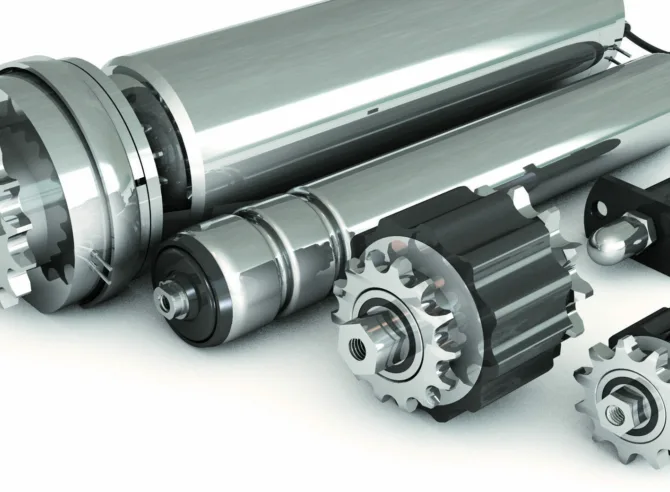
Type 530 coupling
Transport of goods weighing up to 1,200 kg. The coupling has a 5/8×5/16″ z13 sprocket on one side and a 1/2×5/16″ z14 sprocket on the other.
The z13 sprocket has a drive-side toothing and is operated by tangentially driven chains. The z14 sprocket transfers the drive to the respective storage bay.
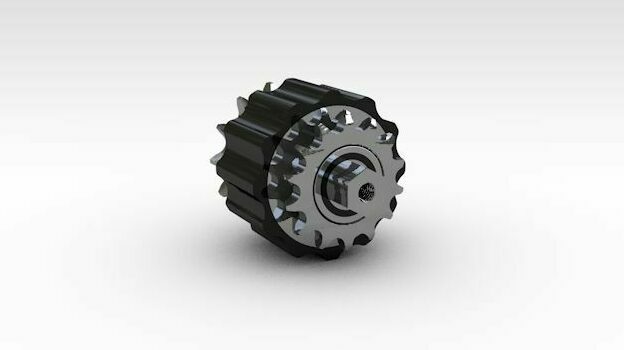
Type 531 coupling
Transport of goods weighing up to 120 kg. There is a 1/2×5/16″ z11 sprocket on both sides of the coupling.
One of the sprockets is driven by a tangentially driven chain, whilst the other transfers the drive to the storage area.
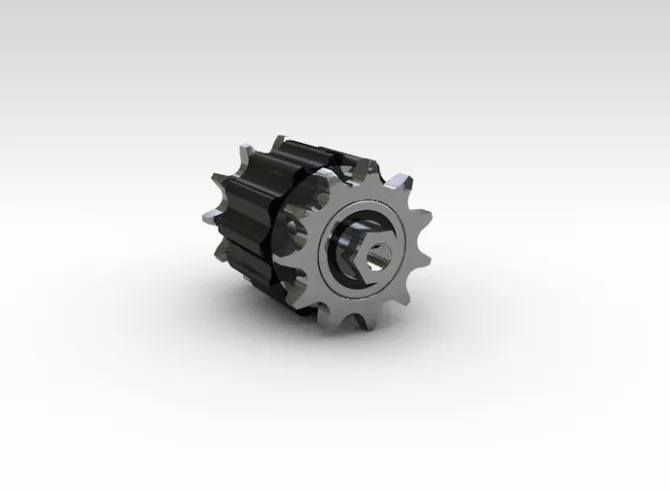
Pneumatic cylinder 530 Z
The Type 530 Z pneumatic cylinder controls couplings efficiently at a pressure of approximately 4 bar.
With integrated logic, the photoelectric sensor and light barrier with mirror eliminate the need for complex control systems, simplify operation and increase efficiency.
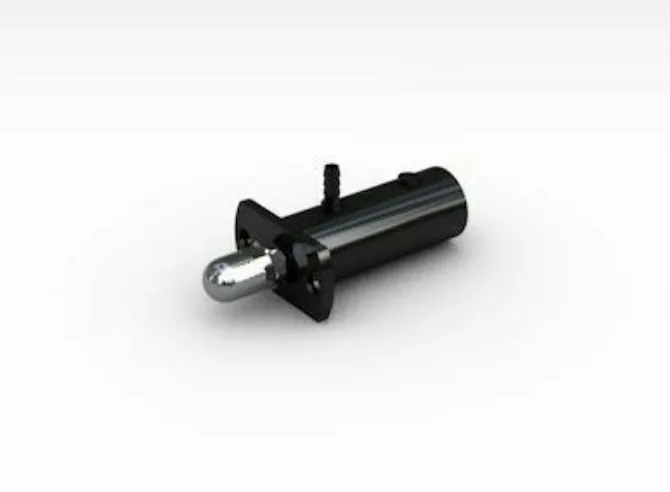
Couplings Data Sheet
Magnetic reel with accessories
The Type 536E magnetic roller is a pallet roller with an integrated electromagnetic clutch.
It is characterised by high holding force, smooth start-up and the ability to move the conveyed goods manually should a system fault occur.
The Rollex Drive System significantly simplifies the use of non-back-pressure conveyor systems.
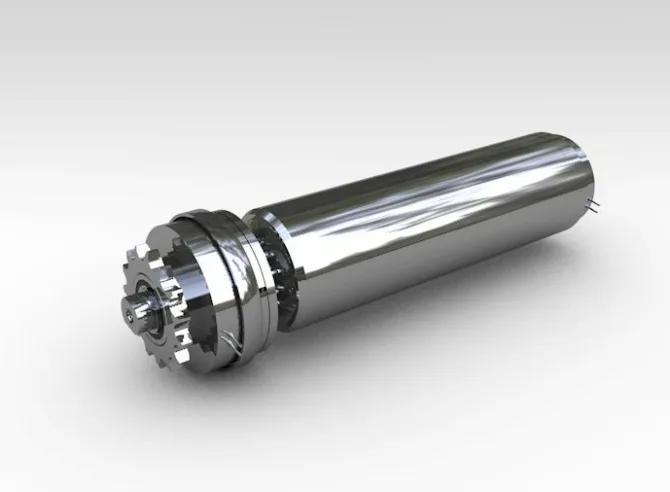
Magnetic Roll Data Sheet
RMD card for motorised scooters
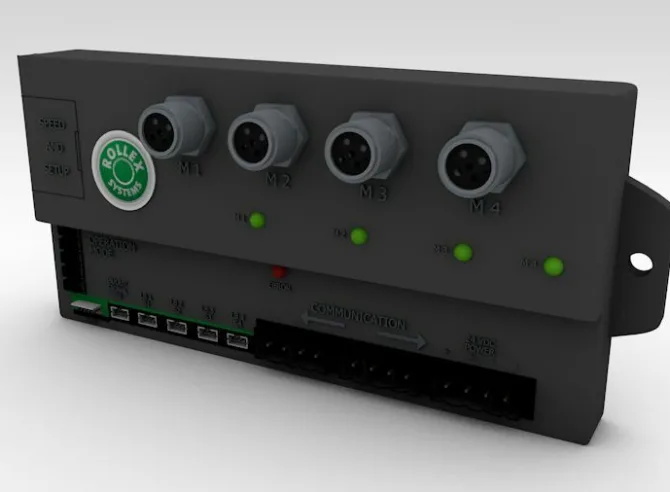
The Rollex Multi-Drive Card simplifies the use of non-back-pressure systems. The internal logic of the RMD Card controls the motors so that they convey the materials without creating back pressure or making contact.
By simply combining the individual components with the control card, complex systems can be commissioned quickly and cost-effectively.
The zero-back-pressure circuit has internal logic and communicates with other accumulation points to regulate the optimum flow of material.